




Automotive industry reduce the weights with composite materials
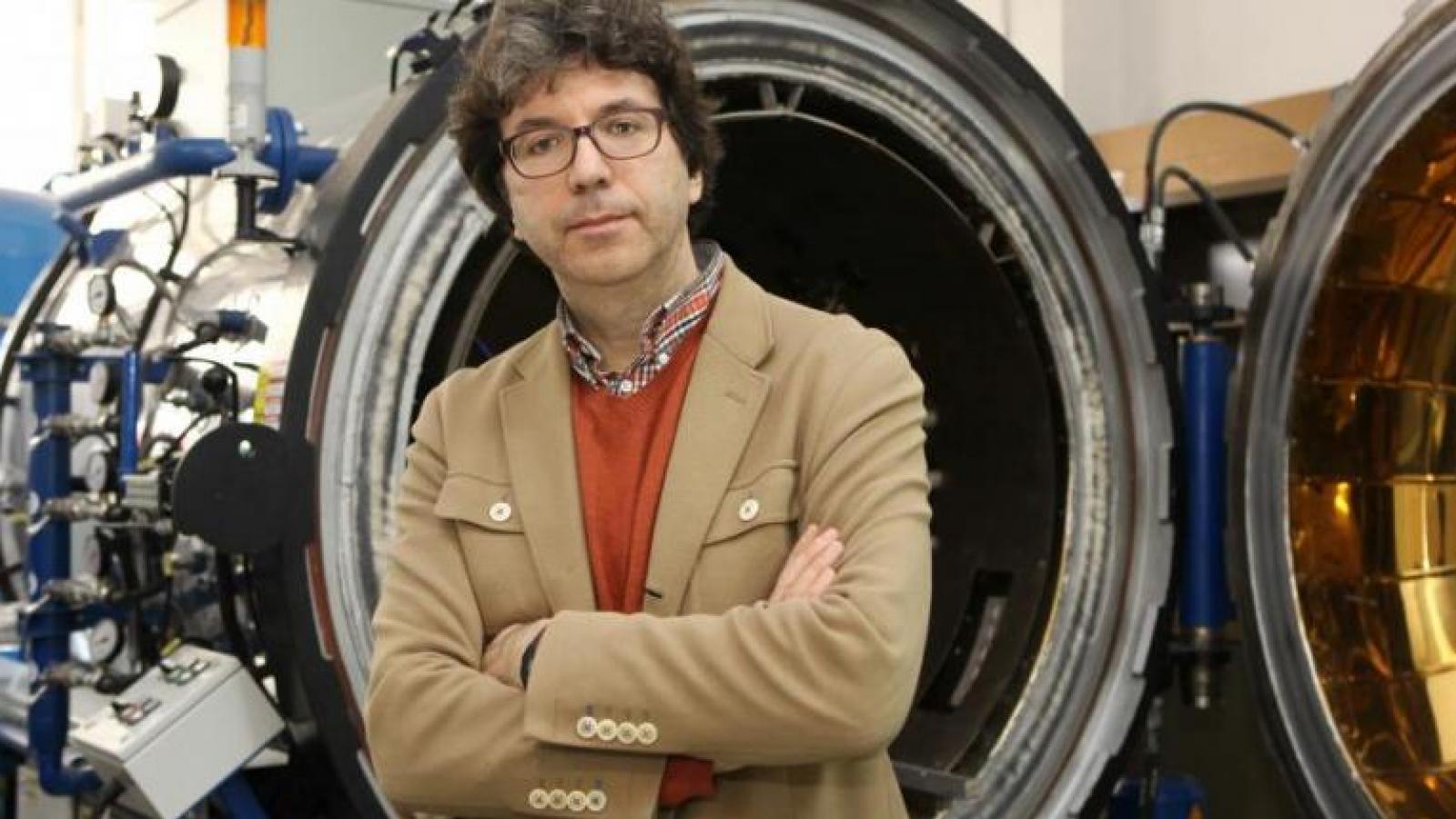 Boğaziçi University Composite Laboratory has been conducting its activities since 2004 under the leadership of Associate Professor Dr. Nuri Ersoy, a faculty member in the Department of Mechanical Engineering at Boğaziçi University. Ersoy stated that six different projects developed at the Boğaziçi University Composite Laboratory for various industries, particularly the automotive sector, have reached the implementation stage on the industrial side.
The major scandal in the automotive industry that emerged when Volkswagen admitted to manipulating its emissions results revealed the pressure that regulations concerning the production of “low-emission vehicles” in the United States and Europe have placed on automotive manufacturers. The most reliable way to achieve low emissions is to reduce the weight of vehicles, which will lead to the increasingly widespread use of composite materials in the automotive industry. The automotive industry will reduce vehicle weight by using composite materials instead of steel in order to lower emissions.
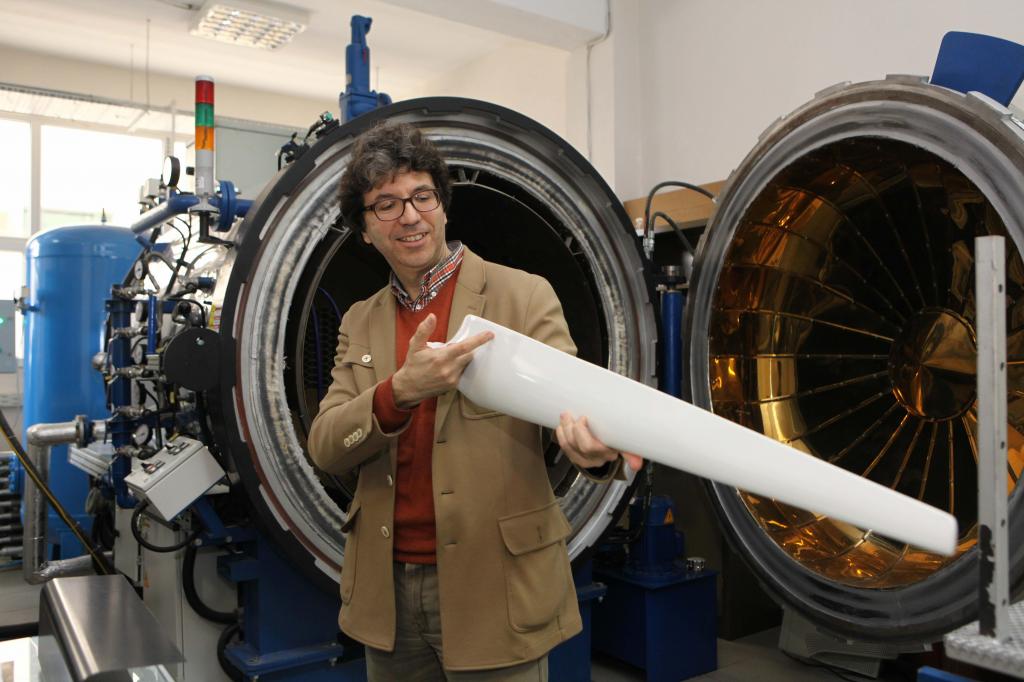
Next-generation composite materials, which are used in many fields ranging from wind energy to the aerospace industry, are also becoming increasingly widespread in the automotive sector. Turkey’s most advanced university laboratory in the field of composite materials is located at Boğaziçi University. Associate Professor Dr. Nuri Ersoy stated that six different projects developed at the Boğaziçi University Composite Laboratory for various sectors, particularly the automotive industry, have reached the implementation stage on the industrial side.
The Boğaziçi University Composite Laboratory has been conducting its activities since 2004 under the leadership of Associate Professor Dr. Nuri Ersoy, a faculty member in the Department of Mechanical Engineering at Boğaziçi University. The support provided by the Istanbul Development Agency in 2013 enabled a significant investment in the laboratory infrastructure and led to a substantial improvement, both quantitatively and qualitatively, in the studies carried out.
Associate Professor Dr. Nuri Ersoy stated that, due to the pressures created by global climate change, carbon dioxide emission rates from vehicles will be significantly reduced in the coming years. Emphasizing that the design of lighter vehicles will become necessary and that lightweight vehicles designed using composite materials will be essential in terms of environmental impact, he provided the following information:
“ The most important characteristic of composite materials is their light weight. They have very high strength per unit weight. These materials were used only in the aerospace industry during the 1980s and 1990s because their costs were very high. However, in recent years, environmental pressures and the growing concern over global warming have increased the importance of these materials not only in aerospace but also in the automotive and ground transportation sectors. There will be very significant restrictions on vehicle carbon dioxide emissions in the European Union and the United States in the coming years. EU countries plan to limit carbon dioxide emissions to 120 grams/km, while the United States plans to limit them to 200 grams/km. Therefore, we will see significant weight reduction in vehicles.”
“The Future of Automotive Is Composite Materials”
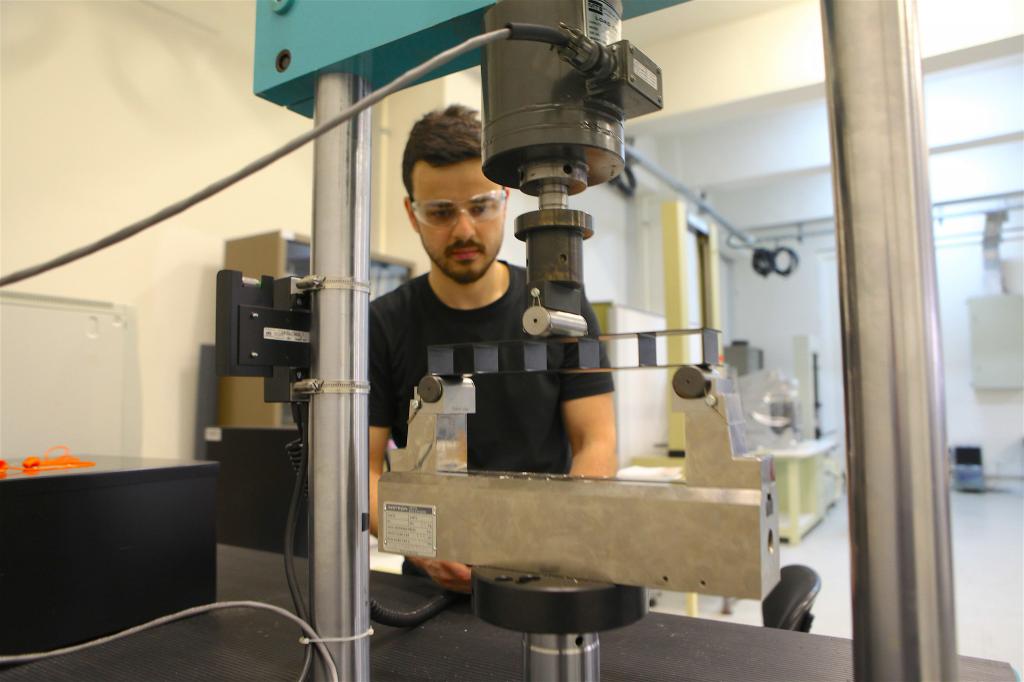
Stating that composite materials will replace steel, Ersoy said, “When carbon-fiber-reinforced composite materials are used, a 40–60 percent reduction in vehicle weight can be achieved. Steps in this direction have already begun to be taken. Passive safety systems such as bumpers and crash boxes, which provide safety in vehicles, are now being manufactured from composite materials. There are also a number of studies and research currently being conducted in this direction in Turkey’s automotive industry. We are also conducting fundamental and applied research on this subject in our laboratory. These materials have higher energy absorption capacities than metals. In the event of a possible collision, they absorb more of the collision energy. This indicates that, in the near future, the perception that a vehicle made of heavy and dense steel is safer and more durable will change. Our research also shows that vehicles made of composite materials are more resistant to impacts.”
Ersoy said, “Within the framework of Horizon 2020, the Community Programme established to harmonize Europe’s science, technology, policies, and practices, we are preparing a new project on the use of composite materials in the automotive industry in line with the EU’s call in this field.”